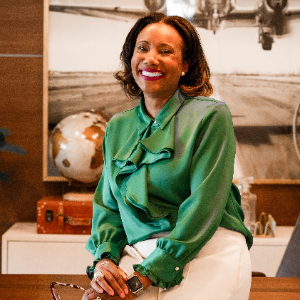
When Success Stops Feeling Like Success
Nov 29, 2025
Let me tell you about a conversation I had recently that might sound familiar.
A senior leader sat across from me. Twenty-three years with the same organization, a track record anyone would envy, respect from colleagues up and down the org chart. And yet, the first thing he said was: "I don't know why I'm not excited anymore."
Not burned out. Not failing. Just done.
If you've ever felt this way, you're not alone. And more importantly, you're not broken.
I know this because I've been there myself.
My Own Crossroads
After almost 30 years as a (re)insurance underwriting executive, I reached that same moment. I was successful by every external measure. But internally? I had evolved. The work that once challenged me had become routine. I craved autonomy over my time and the flexibility to work in a way that honored my self-care. I wanted to be more present in my life, fully engaged and exploring new opportunities that would make me stretch once more.
I deserved to create a Career 2.0 where I could experience the excitement of learning again, make a bigger impact and have fun doing something I love. I needed a career that would evolve with who I had become and who I was becoming.
So, I pivoted. I reskilled. And a few weeks before the pandemic hit, I launched my leadership consulting practice in February 2020.
Was I terrified? Absolutely. Excited? Beyond measure. Relentless? You bet.
No more burnout for me. I wanted to work with purpose and experience the joy that comes from that kind of alignment.
That leap taught me something profound: the courage to reinvent yourself isn't reckless. It's an act of self-leadership.
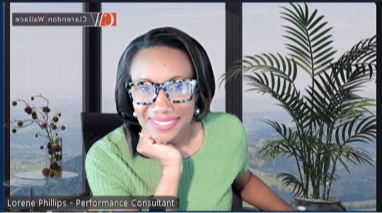
This is a picture of me doing what I love to do: developing a group of awesome leaders and in the moment knowing that THIS is what my professional life now look like and it feels great to arrive here – it was worth the rollercoaster ride!
The Story
Which brings me back to that leader sitting across from me. He'd done everything right. He'd navigated mergers, led his teams through the impossible chaos of COVID-19, championed transformation initiatives that actually stuck. He was the person others came to in a crisis.
But somewhere along the way, the work that once lit him up started feeling like going through the motions. He'd catch himself in meetings thinking, "Does any of this matter to me anymore?"
The hardest part? Admitting it out loud felt like admitting failure.
It wasn't failure. It was evolution.
I recognized his story because I had lived it.
What We Discovered Together
We didn't start by looking at job boards or updating his resume. We started by getting curious about who he'd become.
Over several months, we explored three essential questions:
What matters to you now? Not what mattered when you took this role ten years ago. What matters today. His answer surprised him: mentoring emerging leaders brought him more fulfillment than any strategic initiative. He had been treating it like a side project when it was actually his passion.
Where do you create real impact? He realized his superpower wasn't managing crises. It was creating the conditions where crises didn't happen in the first place. Preventive leadership, not reactive firefighting.
What environment brings out your best? This was the tough one. He had adapted to a culture of constant urgency and top-down decision-making. But he thrived in collaborative, trust-based environments where people could think long-term.
The gap between where he was and where he belonged had grown too wide to ignore.
The Shift
Here's what changed: he stopped asking "What's wrong with me?" and started asking "What's right for me now?"
We built a practical twelve-month exploration plan. Not to quit impulsively, but to transition intentionally. The first three months focused on financial readiness and network conversations. Months four through six were about testing ideas through side projects and informational interviews. In months seven through nine, we clarified non-negotiables for the next chapter. The final three months were for making strategic moves with confidence.
The timeline gave him permission to move thoughtfully instead of desperately.
Today, he's in active conversations about roles that actually match who he is now. Not who he was when he first sat in that office.
If This Feels Familiar
I want you to know something: outgrowing your current role doesn't mean you failed at it. It means you succeeded so well that you're ready for what's next.
Here's what I invite you to try this week:
Monday morning: Open your calendar and look at your week ahead. Put a star next to the one thing you're genuinely looking forward to. Put a question mark next to the thing that feels most draining. Notice the ratio.
Mid-week: Ask yourself: "When was the last time I felt truly seen for my best work?" If you can't remember easily, that's data worth paying attention to.
Weekend: Finish this sentence in your journal: "If I weren't afraid of what people would think, I would "explore" and then write whatever comes to mind. Don't edit yourself. Just write.
Before next month: Have one conversation with someone whose career path intrigues you. Not to ask for a job. Just to understand how they made their decisions.
These aren't huge leaps. They're the small steps that help you remember you have choices.
The Truth About Transitions
Career reinvention at the senior level isn't about starting over. It's about taking everything you've learned and finally applying it to a context that honors who you've become.
You don't need to have it all figured out. You just need to give yourself permission to admit that what worked before might not work anymore.
And that's not just okay. It's growth.
When I made my own transition, I didn't have all the answers. But I had clarity about what I needed: work that stretched me, autonomy that honored my wellbeing and the chance to make an impact in a whole new way. That clarity was enough to take the first step.
A Question for You
What part of your professional life feels ready for redefinition?
Author